
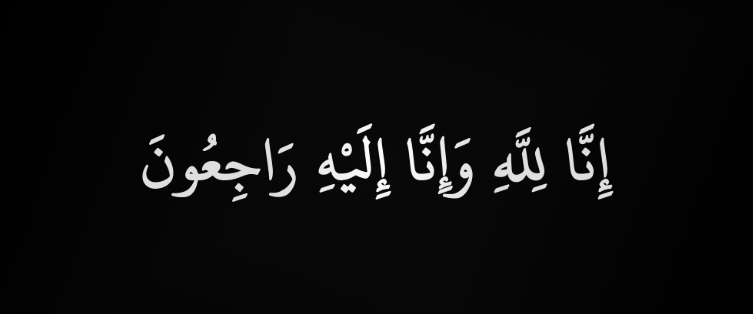

When Muslims face the death of a loved one, a painful loss, illness, or another difficult situation, they often say “Inna Lillahi Wa Inna Ilayhi Raji’un.” These words are deeply connected with patience, faith, and acceptance of Allah’s decree.
The phrase appears in the Quran in Surah Al-Baqarah, verse 156, where Allah describes how believers respond when they are struck by a calamity. The verse teaches Muslims that everything belongs to Allah and that every person will ultimately return to Him.
Understanding the meaning of this phrase can help a believer respond to difficult moments with patience rather than despair. It also reminds us that worldly life is temporary and that Allah knows what is best for His servants.
What Is Inna Lillahi Wa Inna Ilayhi Raji’un?
The correct Arabic phrase is:
إِنَّا لِلَّهِ وَإِنَّا إِلَيْهِ رَاجِعُونَ
Transliteration:
Inna Lillahi Wa Inna Ilayhi Raji’un
It is also commonly written online as innalillahiwainnailaihirojiun, inna lillahi wa inna ilayhi rajiun, or inna lillahi wa inna ilaihi raji’un.
Although the spelling can vary when Arabic words are written in English letters, the Arabic wording remains the same.
Inna Lillahi Wa Inna Ilayhi Raji’un Meaning
The basic meaning is:
“Indeed, we belong to Allah, and indeed, to Him we will return.”
The first part, “Inna lillahi,” means that we belong to Allah. Everything we have, including our lives, families, wealth, and abilities, ultimately belongs to Him.
The second part, “Wa inna ilayhi raji’un,” means that we will return to Allah. Human life does not continue forever in this world. Every person will eventually return to their Creator.
Therefore, innalillahiwainnailaihirojiun meaning is much deeper than simply expressing sadness. It is a statement of faith, submission, patience, and belief in the Hereafter.
Inna Lillahi Wa Inna Ilayhi Raji’un in Quran
The phrase is found in Surah Al-Baqarah, Ayah 156.
Allah says:
ٱلَّذِينَ إِذَآ أَصَٰبَتْهُم مُّصِيبَةٌۭ قَالُوٓا۟ إِنَّا لِلَّهِ وَإِنَّآ إِلَيْهِ رَٰجِعُونَ
The meaning is:
“Who, when disaster strikes them, say, ‘Indeed we belong to Allah, and indeed to Him we will return.’”
This verse comes in a passage discussing tests, patience, and the attitude believers should have when facing hardship.
Allah mentions that believers will be tested with different forms of difficulty, including fear, hunger, loss of wealth, loss of life, and loss of crops. He then gives glad tidings to those who remain patient.
The following verse gives further encouragement, stating that such people receive blessings and mercy from their Lord and are guided.
Why Is This Phrase Mentioned in the Quran?
The phrase teaches believers how to understand hardship.
When something painful happens, a person may naturally feel sadness, fear, or shock. Islam does not require a person to pretend that they are not hurting. Instead, the Quran teaches believers to respond to hardship with patience and remembrance of Allah.
Saying Inna Lillahi Wa Inna Ilayhi Raji’un reminds a Muslim that Allah is the true owner of everything and that this worldly life is temporary.
It also helps a believer remember that a difficult event is not the end of the story. Ultimately, everyone will return to Allah.
Inna Lillahi Wa Inna Ilayhi Raji’un Meaning in English
The innalillahiwainnailaihirojiun meaning in English is:
“Indeed, we belong to Allah, and indeed, to Him we will return.”
Another commonly used translation is:
“Surely to Allah we belong and to Him we shall return.”
Both translations convey the central meaning of the Arabic phrase.
The statement contains two important beliefs:
- We belong to Allah.
- We will return to Allah.
These beliefs encourage humility and patience. A Muslim recognizes that everything in this world is temporary and that Allah has complete ownership and control.
Inna Lillahi Wa Inna Ilayhi Raji’un Meaning in Arabic
The Arabic wording is:
إِنَّا لِلَّهِ وَإِنَّا إِلَيْهِ رَاجِعُونَ
A simple breakdown is:
- إِنَّا (Inna) — Indeed, we
- لِلَّهِ (Lillahi) — belong to Allah
- وَإِنَّا (Wa Inna) — and indeed, we
- إِلَيْهِ (Ilayhi) — to Him
- رَاجِعُونَ (Raji’un) — returning / will return
So, the innalillahiwainnailaihirojiun meaning in Arabic centers on belonging to Allah and returning to Him.
When Should You Say Inna Lillahi Wa Inna Ilayhi Raji’un?
The Quran specifically connects this statement with musibah, meaning a calamity or hardship. It is especially appropriate when a person experiences serious loss or difficulty.
1. When Someone Dies
One of the most common situations is the death of a family member, friend, or another person.
When hearing about someone’s death, a Muslim can say:
Inna Lillahi Wa Inna Ilayhi Raji’un.
It reminds us that human life belongs to Allah and that everyone will eventually return to Him.
2. When Experiencing a Serious Loss
The phrase can also be used when experiencing other significant forms of loss or hardship.
For example, a person may face the loss of property, financial difficulties, illness, or another painful situation. The Quran’s wording is connected to calamity generally rather than being limited only to death.
3. During Difficult Tests
Life contains many unexpected tests. A believer can use this statement to remind themselves to remain patient and trust Allah.
It does not mean that a person cannot cry or feel sadness. Rather, it helps keep the heart connected to Allah during difficult circumstances.
What Dua Should Be Said After Inna Lillahi Wa Inna Ilayhi Raji’un?
The Sunnah provides a beautiful supplication for someone experiencing a calamity.
The Prophet Muhammad ﷺ taught:
“Allahumma’jurni fi musibati, wa akhlif li khairan minha.”
Its meaning is:
“O Allah, reward me for my affliction and give me something better in exchange for it.”
This supplication is reported in Sahih Muslim through Umm Salamah (رضي الله عنها).
Her husband, Abu Salamah (رضي الله عنه), died, and she followed the Prophet’s instruction by saying the supplication. The hadith relates that Allah subsequently gave her something better in exchange—she became the wife of the Messenger of Allah ﷺ.
This is a powerful example of trusting Allah even when a person is going through deep grief.
What Does Inna Lillahi Wa Inna Ilayhi Raji’un Teach Muslims?
This short Quranic statement contains several important lessons.
Everything Belongs to Allah
A believer understands that possessions, relationships, health, and life itself are blessings entrusted by Allah. Recognizing this can help a person deal with loss more patiently.
Life Is Temporary
The words “to Him we will return” remind Muslims that this world is not our permanent home.
Death is part of the human journey, and every person will ultimately stand before Allah.
Patience Is Important
The surrounding verses in Surah Al-Baqarah emphasize patience when facing tests. Allah gives glad tidings to those who remain patient.
Hardship Can Bring a Person Closer to Allah
Difficult moments often make people turn to Allah with greater sincerity. Saying this phrase can redirect the heart from despair toward faith and remembrance.
Is Inna Lillahi Wa Inna Ilayhi Raji’un Only for Death?
No. Although many Muslims associate the phrase with death announcements, the Quran connects it with calamity generally.
The verse says that when a calamity strikes them, believers say “Inna lillahi wa inna ilayhi raji’un.”
Therefore, it can be said when facing different serious hardships and losses.
However, it is important not to treat every small inconvenience as though the phrase has a special requirement in every situation. Its Quranic context is connected with genuine trials and calamities.
The Spiritual Meaning Behind the Phrase
At first, Inna Lillahi Wa Inna Ilayhi Raji’un may sound like a statement of grief. In reality, it carries hope as well.
The first part teaches us that Allah owns everything. The second part reminds us that our final return is to Him.
For a believer, this creates a balanced understanding of life. Happiness should not make us forget Allah, and hardship should not make us lose hope in Him.
When Muslims say these words sincerely, they acknowledge Allah’s authority and remind themselves to remain patient during a difficult test.
Final Thoughts
Inna Lillahi Wa Inna Ilayhi Raji’un is a powerful Quranic statement found in Surah Al-Baqarah 2:156. Its meaning—“Indeed, we belong to Allah, and indeed, to Him we will return” reminds Muslims of Allah’s ownership, the temporary nature of worldly life, and the certainty of returning to Him.
The Quran connects these words with believers who face calamities with patience. The Sunnah also teaches Muslims to make the accompanying dua asking Allah for reward in their hardship and something better in exchange.
So, whether someone is grieving the death of a loved one or facing another serious hardship, these words can serve as a reminder of faith, patience, and hope in Allah.
FAQs
1. What does Inna Lillahi Wa Inna Ilayhi Raji’un mean?
It means, “Indeed, we belong to Allah, and to Him we will return.”
2. Where is it mentioned in the Quran?
It appears in Surah Al-Baqarah 2:156.
3. When should you say it?
It is said during death, loss, hardship, or a serious calamity.
4. Is it only for death?
No. It can be said during different difficult situations, not only after a death.
5. What does this phrase teach us?
It reminds us of Allah’s ownership, patience, and our return to Him.
6. What dua can be said after it?
You can ask Allah to reward you for the hardship and grant something better in return.

Put correct shortname from your Disqus account in Customizer settings.